The Psychology Behind Clearing the Table: Why Do We Help the Waiter?
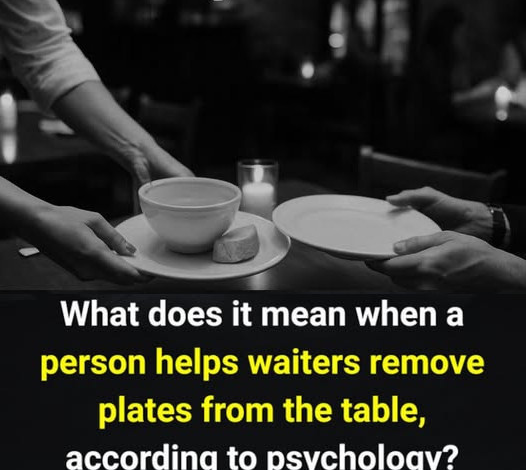
We’ve all experienced it: the meal is finished, the conversation slows, and the waiter comes over to clear the table. Before they can grab a plate, you’re already stacking dishes and gathering the silverware.
While it may seem like simple courtesy, psychologists say this behavior—often referred to as “guest pre-bussing”—can reveal deeper aspects of our personality and social instincts. Here’s what may actually be going on behind that small but thoughtful act.
- The Desire for Control and Order
For some people, a messy table feels mentally distracting. Once the meal is done, leftover plates no longer represent food—they represent clutter.
Visual Completion: Humans naturally seek closure. Sliding your plate forward signals to your brain that the dining experience is officially complete.
Space Regulation: Individuals who are organized in everyday life often tidy up because they prefer reclaiming their personal space from disorder.
- Empathy and People-Pleasing Tendencies
In social psychology, people high in agreeableness (one of the Big Five personality traits) are more likely to offer help.
Empathy: You may notice the waiter looks busy and instinctively want to lighten their load by handing over a plate.
Maintaining Harmony: Some guests help because they want to be considerate and avoid feeling like an inconvenience. They aim to keep interactions smooth and positive.
- Service and Subtle Power Dynamics
Helping can also unconsciously reduce the perceived divide between “server” and “served.”
Leveling the Field: Being waited on can make some people uncomfortable. Assisting with plates can feel like a way of signaling equality.
Reinforcing Self-Image: Acts of helpfulness can boost how we see ourselves—competent, thoughtful, and kind—which provides a small psychological reward.
Is It Truly Helpful?
Although the intention is thoughtful, it isn’t always beneficial. Servers often follow a specific stacking method to balance plates efficiently. When guests stack items randomly, it can actually make their job more difficult.
Pro Tip: If you want to assist without interfering, simply slide your plate toward the edge of the table and place your silverware neatly across it. This signals you’re finished while allowing the server to maintain their system.
Best Practices for the Helpful Guest
If you naturally prefer order, here’s how to help without creating extra work:
Combine Leftovers: Gather scraps onto one plate to prevent spills and keep stacks stable.
Silverware Positioning: Place utensils neatly and parallel across the plate to indicate you’re done.
Clear the Area: Move glasses, phones, or personal items out of the server’s workspace.
Stack Strategically: If stacking, put the largest plate on the bottom. Avoid placing smaller plates underneath larger ones, which can create instability.
Summary
If you’re someone who stacks plates, it likely reflects empathy, organization, and social awareness. You value efficiency and aim to make shared spaces run just a little more smoothly.