Seeing a green ring around an egg yolk is a sign that…
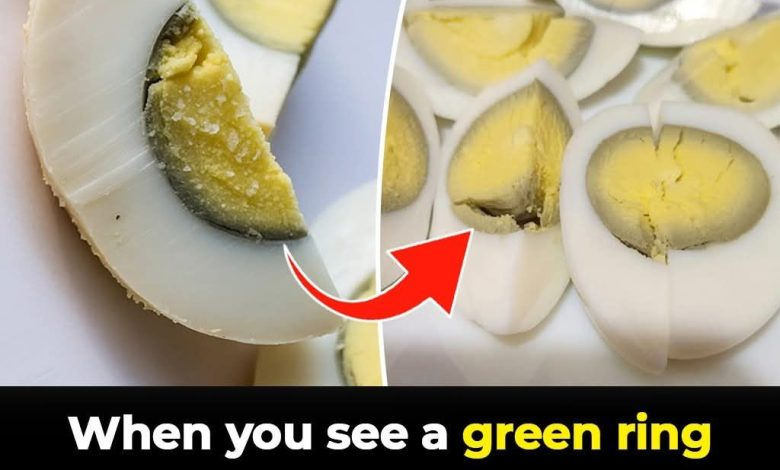
If you’ve ever peeled a hard-boiled egg and noticed a strange green or gray ring around the yolk, you’re not alone. For many home cooks, this unexpected discoloration can be confusing—and even a little unappetizing. It often leads people to wonder whether the egg is still fresh or if something went wrong during cooking.
The good news? It’s completely harmless. The green ring is a common cooking result caused by a simple chemical reaction. Once you understand why it happens, you can easily prevent it and enjoy perfectly golden yolks every time. With a few simple kitchen tips, your eggs can look just as good as they taste.
The Science Behind the Green Ring
The green or gray ring appears when eggs are cooked too long or at too high a temperature. It’s not a sign of spoilage—it’s basic chemistry at work inside the shell.
Sulfur Meets Iron
Egg whites naturally contain sulfur, while egg yolks contain iron. Under normal conditions, these elements stay separate, but heat changes how they interact.
Formation of Iron Sulfide
When heated, sulfur from the whites reacts with iron in the yolk, forming ferrous sulfide—a compound with a greenish-gray color. This reaction happens where the white meets the yolk, creating the visible ring.
Heat and Time Matter
The longer and hotter an egg cooks, the stronger the reaction becomes. More heat means a darker, more noticeable ring.
Does the Green Ring Mean the Egg Is Bad?
No. The discoloration is purely cosmetic. As long as the egg was fresh and handled properly, it is completely safe to eat. Finding a green ring in your egg salad or breakfast plate is nothing to worry about.
However, overcooked eggs may have a slight change in texture and flavor. They can become drier, chalkier, or crumbly because excess heat removes moisture from the yolk.
How to Prevent the Green Ring
The key to bright yellow yolks is controlling time and temperature. Here’s a reliable method for great results:
Start with Room-Temperature Eggs
Let eggs sit out briefly before cooking. This helps them heat evenly and reduces cracking.
Gentle Boil, Then Rest
Place eggs in a pot and cover with cold water by about one inch. Bring to a gentle boil, not a rolling one. Once boiling, remove from heat, cover, and let sit:
- 9–10 minutes for medium eggs
- 11–12 minutes for large eggs
Cool Quickly
Immediately transfer eggs to an ice bath for at least 5 minutes. Rapid cooling stops cooking and prevents further chemical reactions.
Other Factors That Can Contribute
While overcooking is the main cause, other factors may play a role:
Egg Freshness
Older eggs are easier to peel but may discolor more easily when overcooked due to pH changes.
Cooking Method
Pressure cookers and steamers heat eggs more intensely, so timing must be adjusted carefully.
Water Quality
Hard water with high mineral content can sometimes deepen discoloration.
When the Green Ring Is Intentional
In some traditional recipes, the green or dark halo is created on purpose. Dishes like Chinese tea eggs or Middle Eastern spiced eggs are cooked slowly for long periods, producing this effect as part of their appearance and flavor. In these cases, the ring is a sign of proper preparation.
Final Tips for Perfect Hard-Boiled Eggs
- Avoid cooking eggs at high heat for long periods
- Always use an ice bath to stop cooking
- Adjust timing to match your preferred yolk texture
- Remember: a green ring means overcooking, not danger
With these simple steps, you can consistently achieve smooth, creamy, sun-yellow yolks.
In Summary
That green ring around your hard-boiled egg is simply the result of a harmless reaction between sulfur and iron caused by excess heat. It doesn’t affect safety, but careful timing and cooling will help you achieve picture-perfect eggs every time.