Something keeps tunneling under the concrete slab of my garden shed. I’ve filled it in, but every morning it’s back—and I’m worried it could damage the foundation. What would you do?
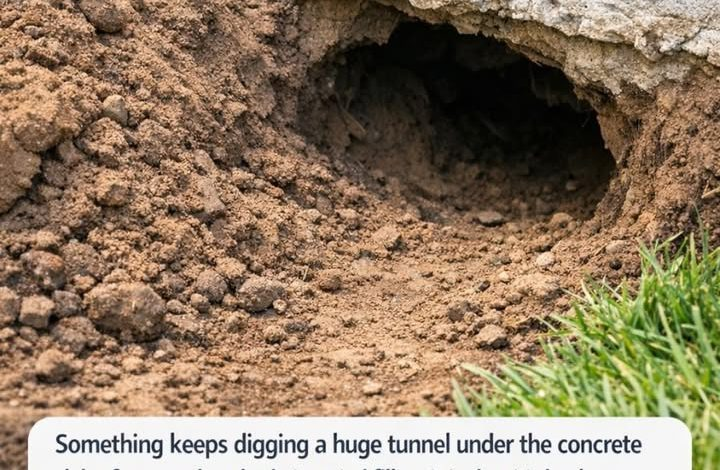
Discovering a hidden tunnel beneath your garden shed’s concrete slab can be stressful and confusing. It’s normal to feel both curious about what’s living there and concerned about the safety of your shed. Even a small tunnel can weaken the foundation, and ignoring it could lead to costly repairs for a cracked or sinking floor.
This guide walks you step-by-step through handling the problem. You’ll learn how to identify the animal, protect your property, and prevent future damage.
1. Confirm Which Animal Is Digging
First, identify who’s causing the trouble. Groundhogs (or woodchucks) are expert diggers, often leaving tunnels 6–12 inches wide with a mound of dirt outside. Look for paw prints about 2–3 inches wide with five toes. Other culprits like skunks, raccoons, or armadillos may also be responsible. A trail camera can help capture nocturnal activity and confirm the digger.
2. Understand Why Groundhogs Target Your Shed
Groundhogs aren’t out to annoy—they want a safe home. Your shed offers a dry, protected roof, and nearby gardens or lawns provide food. Their burrows are multi-roomed for sleeping, raising young, and even as a bathroom. Knowing this helps you make your shed less appealing.
3. Assess Potential Structural Damage
Even a single hole can signal a much larger tunnel system—sometimes 8–66 feet long and up to 5 feet deep. This can undermine the concrete slab, causing cracks or shifting. Check your shed for doors that stick, tilting, or visible gaps between the slab and structure. Early detection can save thousands in repair costs.
4. Apply Temporary Fixes to Stop Nightly Digging
Place heavy rocks or paving stones over the hole, or cover it with wire mesh (hardware cloth) buried at least 12 inches deep and extending outward. These short-term solutions can slow digging while you prepare a permanent fix.
5. Make the Burrow Unwelcome
Groundhogs dislike disturbance. Motion-activated sprinklers, predator scents, wind chimes, or vibrating stakes can encourage them to leave without harm. The goal is to make the area noisy, smelly, or uncomfortable enough for the animal to naturally relocate.
6. Use Live Traps Carefully
If harassment doesn’t work, live traps may be necessary. Choose a trap roughly 12×12×32 inches, bait with lettuce, carrots, or apples, and place near the main entrance. Always check local wildlife laws before trapping, and monitor the trap daily.
7. Seal the Burrow Safely
Only fill the hole once you are sure it’s empty. Use gravel or a soil-and-cement mix, then cover with heavy-duty mesh buried 12 inches deep to discourage future digging.
8. Install a Dig-Proof Perimeter Barrier
Prevent future problems with an underground fence around the shed. Use galvanized wire mesh buried 12 inches deep and bent outward in an “L” shape to block digging. Extend the mesh 24 inches above ground to prevent climbing.
9. Repair or Reinforce the Slab
Check the concrete for cracks after the animal is gone. Small cracks can be patched with standard concrete compound, but serious damage may require extra concrete or steel reinforcement. Regular inspection prevents bigger, costlier problems.
10. Make Your Yard Less Attractive to Groundhogs
Keep grass short, remove debris, and secure gardens with fencing. Plant groundhog-resistant plants or use natural deterrents like garlic or hot pepper sprays. Without food or cover, groundhogs are likely to move on.
11. Know When to Call Professionals
If traps fail or the shed shows serious structural damage, call a wildlife expert or structural engineer. Professionals can safely relocate the animal and assess your shed’s safety, saving you time, worry, and future expenses.