Cashews: Busting Myths and Knowing the Facts
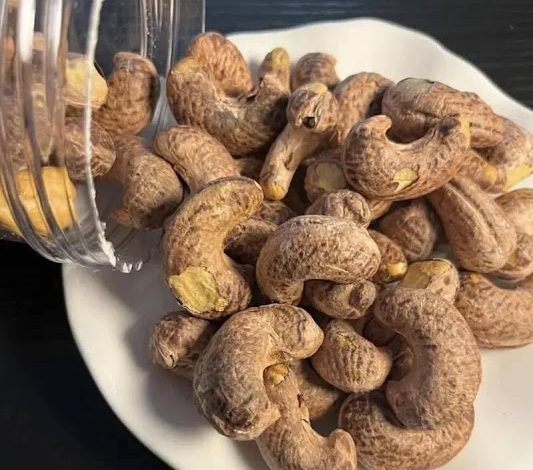
Before you throw your cashews away, pause for a moment. These nuts aren’t the villains some headlines claim. In reality, cashews are nutrient-dense, heart-friendly, and packed with health benefits. Like any food, they can pose issues for certain people—especially those with allergies or specific medical conditions.
🌰 Cashews: Sorting Facts from Fear
Here’s what the experts really say:
✅ Why Cashews Are Good for You
Cashews are little nutrition powerhouses:
- Monounsaturated fats – support cardiovascular health
- Magnesium – essential for muscles, nerves, and bones
- Copper & zinc – boost immunity and support skin health
- Plant-based protein & fiber – help with satiety and gut health
- Antioxidants – reduce inflammation
📊 Research shows that eating nuts regularly, including cashews, is linked to lower risks of heart disease, type 2 diabetes, and better weight management—when eaten in moderation.
⚠️ When Cashews Can Cause Issues (Rare Cases)
1. Allergic Reactions (Most Serious)
- Why: Cashews are tree nuts, and nut allergies can be severe and lifelong.
- Symptoms: Hives, swelling, vomiting, breathing difficulty, anaphylaxis.
- Action: Avoid completely if allergic. Check labels carefully—cashews appear in sauces, vegan cheeses, and many dishes.
2. Digestive Upset (Sensitive Individuals)
- Why: Cashews contain FODMAPs and fat that may trigger bloating or gas in people with IBS.
- Solution: Stick to small portions (¼ cup or less) and eat with other foods.
3. Kidney Stones (At-Risk Individuals)
- Why: Cashews contain oxalates, which can contribute to calcium-oxalate stones in susceptible people.
- Solution: Drink plenty of water and limit intake to 1–2 servings per week if advised by a doctor.
4. Weight Gain (Only if Overeaten)
- Why: Cashews are calorie-dense (160–180 calories per ¼ cup).
- Reality: Studies show nut eaters often feel fuller and absorb fewer calories overall.
- Solution: Stick to a small handful (about 18 cashews).
❌ Cashew Myths Debunked
- “Raw cashews are toxic” → Naturally true, but store-bought “raw” cashews are steamed to remove toxins. Safe to eat.
- “Cashews cause acne” → No strong evidence; sugar and dairy are more likely culprits.
- “Cashews raise cholesterol” → False. Their healthy fats can lower LDL (“bad”) cholesterol.
❤️ The Bottom Line
For most people, cashews are safe, nutritious, and delicious.
Claims like “doctors warn against cashews” are usually misinformation or clickbait. Unless you have a nut allergy, kidney stone history, or IBS, there’s no reason to avoid them.
A small daily serving can support your heart, brain, and metabolism.
✨ “Eat your nuts—your future self will thank you.”
👉 Always consult your doctor or a registered dietitian if you have a specific health condition. Personalized advice beats fear-based headlines every time.