A Mother’s Heartfelt Words in a Time of Great Worry

Rosie O’Donnell has recently shared a deeply moving and intensely personal poem. It opens a meaningful window into the deep worry, profound pain, and enduring hope she carries for her adult daughter, Chelsea. Rather than releasing a cold, formal statement to the media, the well-known television personality and actress chose to publish her private thoughts directly on her personal newsletter platform.
By writing straight from the heart, she provides her readers with a rare, unfiltered look at what it truly feels like to love a child through a major life crisis. Her words show the reality of holding onto hope for a better tomorrow, even when every single day brings a wave of new uncertainty and emotional distress.

The Frightening Pain of Silence and Sudden Separation
In her emotional poem, Rosie describes a long and agonizing stretch of days where she received absolutely no word from Chelsea. This prolonged silence immediately set off emergency alarms in her mother’s heart. She explains to her readers that Chelsea had recently been moved from a local jail to a state prison facility.
This type of major administrative shift is highly stressful for families because it frequently disrupts regular communication lines. For Rosie, this sudden gap in contact felt deeply frightening and completely unfamiliar. She noted that it had been more than a week without any form of contact, emphasizing that this silence was “not normal for them.”
This simple yet heavy phrase perfectly captures the quiet terror that any parent experiences when a comforting, usual routine suddenly stops making sense.
The Realities of Navigating the System
- Delayed Communication: For countless families trying to navigate the complex world of the correctional system, facility transfers are known to be exceptionally difficult.
- Bureaucratic Obstacles: Phone access is often delayed for days or weeks, traditional mail moves very slowly, and facility schedules can change completely without any advance notice.
- Testing Family Bonds: Even for the most resilient and supportive families, these sudden disruptions deeply test human patience and emotional resolve.
Through her writing, Rosie allows her readers to truly feel the heavy weight of that daily worry. In doing so, she successfully widens the circle of empathy for anyone who has ever had to sit and wait by a silent phone that refuses to ring.
Understanding Chelsea’s Difficult Path and Present Reality
Chelsea is currently 28 years old and has been in state custody since October, a situation that occurred after her probation was officially revoked. Earlier in that same year, she faced multiple arrests involving serious personal and legal challenges, including charges related to drug possession and child neglect.
None of these facts are easy for the public to read, and they are undoubtedly even harder for a family to live through in real life. Rosie does not attempt to excuse or gloss over these harsh facts in her poem. However, she also refuses to allow these mistakes to completely overshadow her steady, enduring love as a mother. She bravely holds two difficult truths at the exact same time: the reality of what happened in the past, and the truth of who her daughter still is to her core.
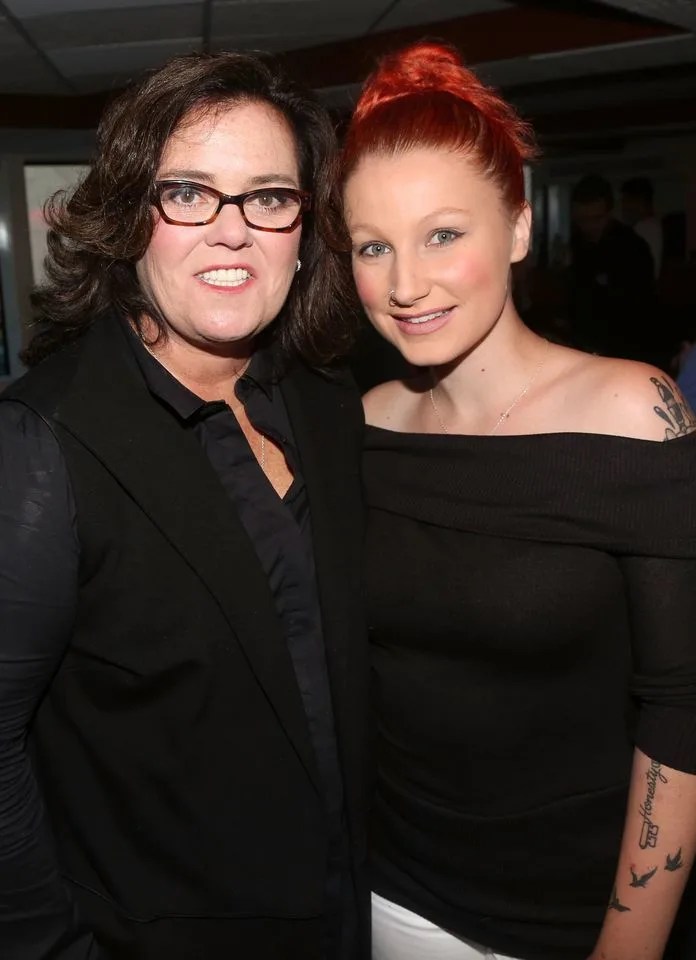
The actual physical conditions that Chelsea faces every day are incredibly stark. Rosie describes a grueling routine involving months of restricted living, where her daughter spends 23 hours a day inside a cell, leaving only a tiny sliver of time—about 45 minutes total—to sit out in the open sun.
For individuals who have never known a loved one behind bars, this strict detail can be deeply startling. Yet, this is the daily reality for thousands of people. Each day is highly structured, strictly timed, and closely watched by authorities. Because of these rules, small freedoms that people on the outside take for granted, like enjoying a few brief minutes of fresh air, take on an enormous psychological meaning.
A Focus on Family and Healing
Chelsea is also a mother of four young children, consisting of three girls and one boy. This important family reality deeply colors every single part of this emotional story. While it is true that Rosie and Chelsea have experienced long periods of relationship difficulties and public estrangement over the years, these current painful circumstances have actually brought them much closer together.
Rosie beautifully refers to this newfound closeness as a “silver lining,” and it is one that she holds onto tightly with quiet, sincere gratitude. Deep emotional pain has a unique way of clarifying exactly what matters most in life. For this mother and daughter, their renewed personal connection has truly become a steady, guiding light in the dark.
Daily Phone Calls, Small Routines, and a Mother’s Hope
As the narrative of the poem unfolds, Rosie writes tenderly about their regular phone calls. These daily check-ins serve as vital lifelines, constantly reminding both mother and daughter that they are not completely alone in this struggle. In these specific moments, Rosie sounds like any ordinary parent trying desperately to find firm ground to stand on.
She expresses immense gratitude that Chelsea is safe, reachable by voice, and remaining steady for another day. Gratitude can often feel like a very simple word, but during genuinely hard times, it transforms into a literal lifeline. It gives a healthy shape to difficult mornings and lonely nights. It keeps individuals moving forward step by step, even when everything else in their world feels completely shaky and unpredictable.
Looking forward, Rosie dares to actively imagine the bright day when her daughter will finally come back home. She allows herself to visualize what a stable future might look like: a quiet life centered entirely on sobriety, deep emotional healing, and quality time spent with her four children.

It is never easy to hold onto a positive vision for tomorrow when the reality of today is so painful. However, that is exactly what unconditional love does. It pictures better days ahead and draws a gentle, hopeful sketch of what could be. Even when the timeline of the future is uncertain, that mental picture offers something beautiful to aim for.
A Rigid Visit and a Brief Moment of Calming Peace
Rosie also uses her poem to describe a recent in-person visit with Chelsea inside the facility. The physical setting had incredibly clear, and sometimes harsh, behavioral guidelines that visitors must follow. For instance, only one quick hug is permitted at the very start of the visit, and exactly one hug is allowed at the end.
There is absolutely no exchanging of money or items, hands must be kept completely visible on top of the table at all times, and voices must always remain low and soft. If you have ever had to visit a loved one inside a secure facility, these strict boundaries will feel incredibly familiar. While they are fully designed to maintain safety, they can unfortunately make deeply human, emotional moments feel rigid and formal, as if even basic human affection requires official permission.
“In the midst of all that structure, Rosie notices the simple things that matter most to a mother. She writes that Chelsea looked healthy and calm.”
Her daughter’s skin was clear, her eyes seemed well-rested, and she was dressed in a standard green facility uniform. These are the exact kinds of physical details that only a deeply caring parent collects and carries in their memory. They might sound small to an outsider, but to a mother who worries every single hour of the day, these observations provide priceless reassurance. For a few precious moments, Rosie was able to see her child with her own eyes and breathe a little bit easier.
Weathering the Storms of Life
Rosie also openly shares how painful it is that Chelsea’s four children have not been able to come visit their mother yet. Any grandparent can immediately feel the deep ache in that statement. Family bonds are naturally strong, but physical distance and strict visitation rules can place a massive strain on even the closest relationships.
The actual day of the visit took an unexpected turn when an active tornado warning suddenly cut their precious time short. Rosie had to drive entirely alone through a severe storm afterward, sorting through the complex swirl of thoughts and intense feelings that always follow such an emotionally charged experience. Ultimately, she called the event a “big day,” not because it went perfectly, but because it mattered so deeply to their healing process.
What the Poem Teaches Us About the Power of Love
Near the absolute end of her written piece, Rosie reflects deeply on what it truly means to be a parent across multiple decades. She speaks of unconditional love as the only logical path to take, even when the emotional road ahead is incredibly steep and rock-strewn.
She suggests that true forgiveness is rarely easy and almost never happens quickly, but it remains absolutely essential for human survival. In one beautifully simple line, she reminds the entire world that personal growth does not stop as we age. As she perfectly puts it, “we live, we learn, and we grow—even at 64.”
In addition to her writing, she shared a photograph from that recent visit, which showed Chelsea standing in her uniform. It is a very tender glimpse, not of a perfect life, but of true maternal presence. That single image, much like the poem itself, offers visible evidence of something incredibly important: even in the hardest and darkest seasons of life, family members can choose to keep showing up for one another.
The Quiet Courage of Waiting and Showing Up
For a large number of people, this personal story will feel deeply familiar. This is true whether they have personally experienced the incarceration of a relative or have faced a completely different kind of family crisis. The simple act of waiting is its own heavy emotional burden.
Not knowing exactly when a phone call will finally come through, when an official visit will be approved, or how a loved one is truly doing on the inside can leave a person feeling completely helpless. Rosie’s poem successfully gives a shared language to that heavy feeling. It reminds readers that they are not the only ones waiting in the dark, and they are not the only ones learning how to breathe around constant worry.
It also highlights a specific kind of quiet courage that never makes the evening news headlines. There is a profound strength found in small, daily rituals:
- Answering every single unexpected phone call.
- Marking the passing days on a calendar.
- Setting aside a small amount of hope for tomorrow.
There is immense strength in noticing a healthy glow in a child’s face, in celebrating a calm and peaceful voice on the other end of a phone line, and in trusting that personal progress does not need to be loud or dramatic to be completely real.
Understanding the True Weight of the Rules
The poem never attempts to shy away from the strict, daily rules of institutional life. Keeping your hands flat on a table, speaking only in soft tones, and limiting human touch to a single hug at hello and goodbye are intense limitations. These practices might seem relatively minor to someone living on the outside, but inside a secure visiting room, they rule everything.
They directly shape how love is expressed and how emotional reassurance is offered between people. When physical comfort is strictly counted in seconds, people quickly learn how to make every single second matter. A simple, meaningful hand squeeze at the exact right moment can communicate far more than a dozen long conversations.
Rosie’s close attention to these tiny details shines through as love in action. She bears honest witness to the harsh environment while simultaneously focusing on her daughter’s quiet presence within it. She notices the rules, but she focuses more on how her child carries herself inside those rules—with a sense of calm, with much clearer eyes, and with a noticeably steadier spirit. To a worried parent, that visible steadiness is an incredible gift, even if it arrives in a physical place that no one would ever choose to be.
A Mother, a Daughter, and the Long Road to True Healing
The fundamental truth that runs underneath the entire poem is both simple and difficult to face: real healing takes a significant amount of time. For families who are living through the cycles of addiction and recovery, personal progress is rarely a straight line.
One season of life might bring wonderful stability, while the very next season might bring unexpected setbacks. Rosie does not pretend that the situation is simple or perfect. Instead, she intentionally holds space for both deep hope and rigorous honesty. She looks ahead to a healthy, drug-free future while keeping her feet firmly planted in what is real today.
There is a very clear, powerful wish living at the exact heart of this piece—one that is fully shared by countless parents and grandparents worldwide. It is the universal wish for safety, lasting sobriety, and an eventual family reunion. It is the simple wish to hear children laughing safely together at home again, to look at family photos that do not include official visitor badges or state uniforms, and to write new family chapters that are not overshadowed by court dates or legal paperwork. The poem cannot guarantee any of those outcomes, but it states clearly that those dreams are still very much alive.
For Anyone Walking a Similar Path in Life
Readers who are in midlife and beyond understand a very special, distinct kind of love for their grown children. You do not magically stop being a parent just because your children have legally become adults. In many important ways, the parenting role actually deepens over time. You become a steady, unmoving presence and a safe place of return. You choose to keep the porch light on. You answer the phone on the very first ring. You say the supportive words that help someone make it through just one more day.
Rosie’s personal experience will ring completely true for anyone who has ever stood in that supportive role and discovered, perhaps through many tears, how strong the quiet love of a parent can be.
If you happen to find yourself in a similar, difficult season of life, the poem offers several gentle reminders:
- Keep the lines of communication as open as you possibly can.
- Celebrate the small, positive signs of progress, like a calmer speaking voice or a clearer gaze.
- Remember deeply that people are always worth more than the worst mistakes they have made.
- When you feel completely overwhelmed, allow yourself to be supported by trusted friends, family, or community resources.
No human being is ever meant to shoulder these massive worries entirely alone.
Seeing the True Person, Not Just the Harsh Circumstance
The specific detail that Chelsea looked genuinely healthy and well-rested matters immensely to the story. It reminds us all that human beings can find quiet moments of healing and reflection even in incredibly hard places. Consistent sobriety, daily routine, and forced rest can bring a profound kind of clarity that naturally shows in a person’s eyes and on their skin.
These physical changes do not erase the painful mistakes of the past, but they do strongly suggest that a person’s future can be entirely different from what came before. Loving observations like the ones found in Rosie’s poem help shift the public focus away from negative labels and headlines, placing it back onto basic human dignity—onto a real person who is still learning, still trying, and still deeply loved.
And that is perhaps the absolute strongest current running through Rosie’s writing. True love does not deny the reality of consequences. True love does not gloss over real emotional pain. Instead, love willingly sits in the exact same room, completely abides by the rules, and listens closely to every word. It actively looks for the inner light that might otherwise be hard to see. It repeats the simple, foundational truths that a struggling person needs to hear: “I love you,” you are here, and we can easily try again tomorrow.
Holding on to Hope, One Single Day at a Time
The poem closes out with the unique kind of wisdom that comes only from actual lived experience. Unconditional love is not just a catchy slogan; it is a difficult, daily practice. It means consciously choosing forgiveness on the days when it would be far easier to turn away and walk away. It means learning, over and over again, that personal growth is never reserved exclusively for the young. As Rosie notes so well, humans continue to learn and grow at every single stage of life. There is no maximum age limit on compassion, courage, or starting over fresh.
By choosing to share her personal poem publicly, Rosie warmly invites others to be far gentler with themselves and with the people they love. She is certainly not asking the public for pity. Instead, she points us directly toward a deeper human understanding. The daily reality she describes may be incredibly difficult, but it is certainly not without moments of pure grace.
There are still phone calls that end with a warm phrase, there are still visits where a single hug communicates enough to fill an entire paragraph, and there are still car rides through heavy storms where, somehow, the road back home remains completely clear.
A Final Reflection on Family and Resilience
At its absolute heart, Rosie O’Donnell’s poem is a tender note from a dedicated mother to her daughter. It also serves as a universal note from a mother to all other mothers, fathers, and grandparents who are currently navigating the complicated, rocky terrain of love, personal accountability, and hope. It openly recognizes that human life does not always follow our perfect plans. It honors the immense inner strength it takes to keep deeply caring anyway. It offers a warm, understanding hand to hold, and a gentle reminder that many families are walking this exact same road together.
As this current chapter of their lives continues to unfold, Rosie constantly imagines a future for Chelsea that is noticeably steadier, healthier, and brighter—a life built entirely around successful recovery and the pure joy of being fully present with her children. Until that beautiful day arrives, she keeps doing exactly what loving parents do best. She watches closely for the smallest signs of physical and emotional healing, she answers every single phone call, and she shows up faithfully on visiting day. She practices true forgiveness, even on the specific days when it feels the hardest to do. And above all, she keeps writing down the simple truths that guide her forward: “we live, we learn, and we grow—together.”