My Neighbor Constantly Borrowed My Appliances When She Returned My Mixer Dirty and Broken, I Taught Her a Lesson
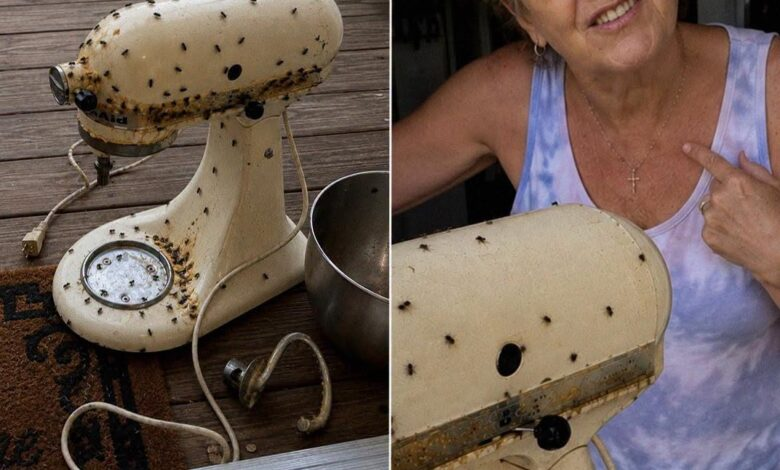
My neighbor Denise had a habit of borrowing appliances and returning them as if care were optional. At first, I treated each incident as an annoyance. A stained dish or a late return did not seem worth a neighborhood conflict. Then she borrowed the cream KitchenAid mixer my mother bought in 1989 and brought it back dirty, overloaded, and broken.
The mixer mattered for reasons Denise did not understand. My mother had used it for family birthdays, holiday bread, and countless ordinary afternoons. Its age was not evidence that it had no value. It was proof that we had maintained it carefully for decades.
Denise left it on my porch with batter still hardened around the bowl and controls. When I asked what happened, she said the machine was old and suggested it had simply worn out. Her answer ignored the signs that it had been forced beyond what it could handle and kept running after it began struggling.
I took the mixer to Greg, a repair professional who knew older machines. He examined the damage and quoted $347 to restore it. The motor had not died from peaceful old age. It had been abused. I gave Denise the estimate, expecting at least a serious conversation.
She refused to pay. In her version, lending an appliance meant accepting whatever happened to it. She counted on my desire to remain polite and assumed I would absorb the loss as I had absorbed smaller ones.
I did not yell or retaliate. I simply changed the rules. Before long, Denise needed equipment for her niece’s graduation party. She asked to borrow my cooler, crock pot, and tables. These were exactly the kinds of items she had previously taken without treating them responsibly.
I told her she could borrow them under a written agreement. She would leave a $350 refundable deposit for the party items and pay the $347 mixer repair, for a total of $697. If everything came back clean, complete, and on time, I would return the $350. The repair money would remain because it covered damage she had already caused.
Denise objected and tried to find rentals elsewhere. When those plans failed, she returned. The amount was not a punishment invented for the party. One part secured my property; the other settled an existing debt. The written terms made that distinction impossible to blur.
She paid, signed, and took the items. After the party, every piece came back spotless. Nothing was missing, and nothing was broken. I returned the full deposit exactly as promised and kept the amount Greg needed to repair my mixer.
The arrangement taught us both something. Denise discovered that borrowed property receives better care when negligence has a clear cost. I discovered that a boundary does not require a dramatic fight. It can be a calm condition stated before the favor is granted.
Greg restored the KitchenAid, and the familiar machine returned to my counter. The repair could not undo the disrespect of finding it ruined on the porch, but it preserved an object tied to my mother and years of family life.
Denise eventually apologized. Later, when she wanted to borrow a pressure washer, she did not assume my answer. She asked about the form. That small change mattered more than a forced speech would have.
Helping a neighbor should be generous, but generosity is not permission to damage what belongs to someone else. A loan carries responsibility. Once I made that responsibility explicit, the borrowing stopped being a one-sided expectation and became an agreement both of us could understand.
The written form also protected our future relationship. Neither of us had to rely on a different memory of what was promised. The item list, return condition, deposit, and repair amount were clear before anything left my home. Denise could say no, and I could refuse the loan. Because she agreed, returning the equipment carefully was no longer a personal favor to me. It was simply her part of the bargain.